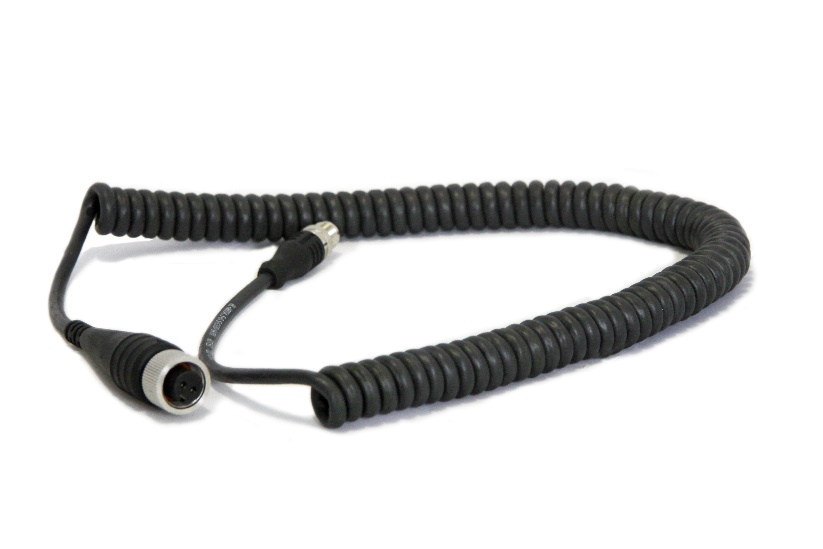
Reliable cable solutions for vibration measurements
Cables and connectors are an important part of any vibration measurement. A properly selected cable ensures stable signal transmission from the sensor to the measuring instrument and minimises the risk of noise, signal loss or mechanical damage.
At TME Solutions, we supply robust cables and connectors for both Permanent installation of vibration sensors and to Portable measurements with handheld analysers.
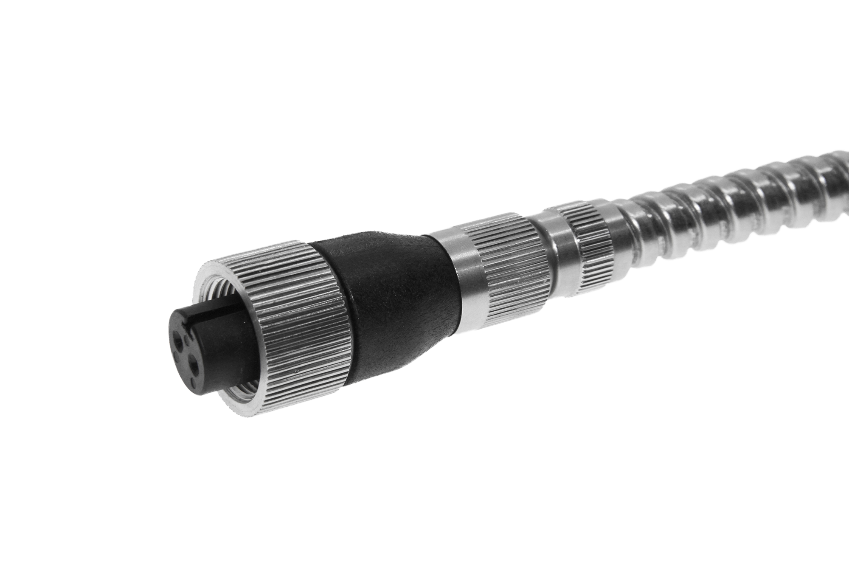
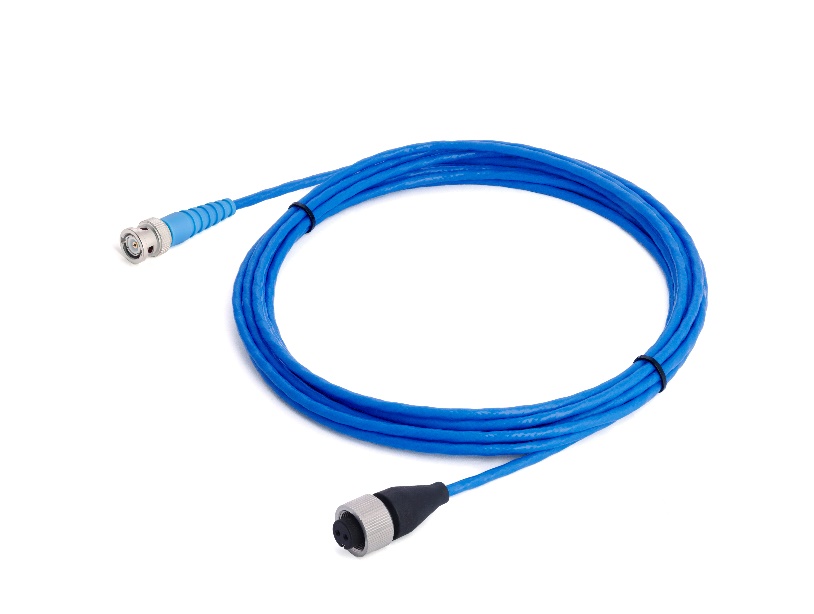
For example, we offer cables from Hansford Sensors, developed specifically for industrial vibration measurements.
For permanently mounted vibration sensors, it is important to choose cables that can withstand the environment they are installed in.
Typical requirements for industrial sensor cables:
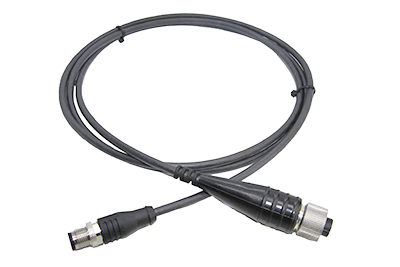
The cables come in different lengths and can be configured with the connector types that suit the sensor and installation.
Typical connector types:
When installed correctly, sensor cables can operate smoothly for many years without the need for replacement.
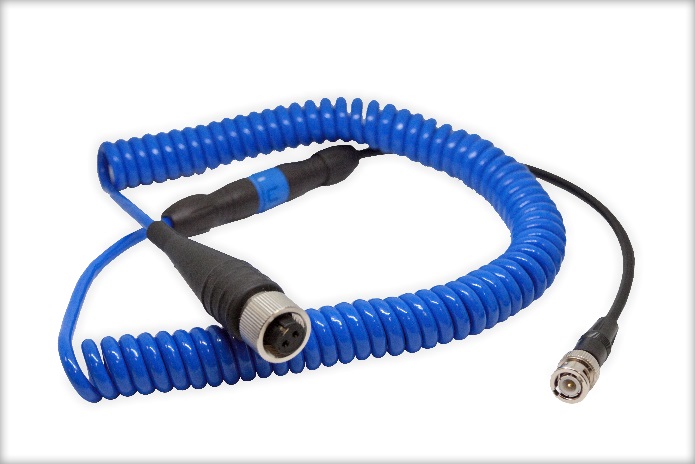
Portable vibration measurement uses flexible and durable cables designed for repeated use in the field.
We supply cables suitable for Adash handheld analysers.
These cables are typically used with:
Portable sensor cables are typically more flexible than permanent installation cables to ensure easy handling during measurements.
To ensure stable measurements, the following is recommended:
Avoid cable movement
Movement in the sensor cable can create electrical noise (triboelectric effect) that affects the measurement signal.
Secure the cable correctly
The cable should be secured close to the sensor and along the installation.
Avoid sharp bends
Bending radii that are too small can damage the cable screen.
Keep distance from high voltage current
To avoid electromagnetic interference.
A correct cable installation is essential to achieve Reliable vibration data.
The choice of cable depends on several factors:
At TME Solutions, we can help you choose the right cabling solution for both Industrial installations and maritime applications.