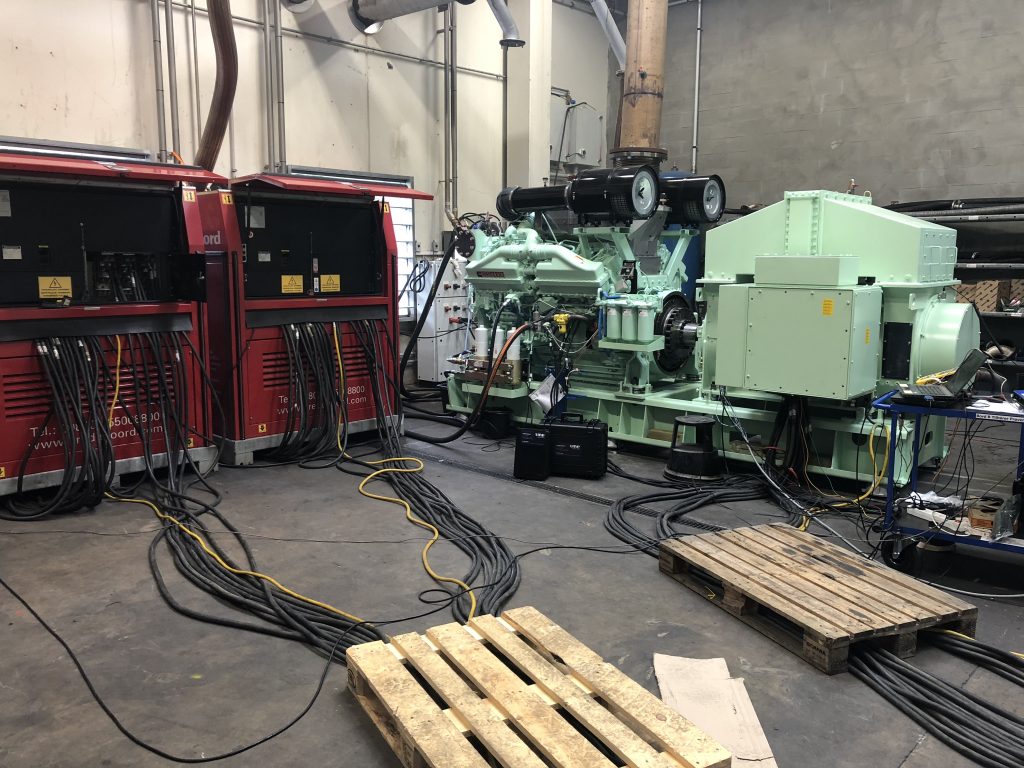
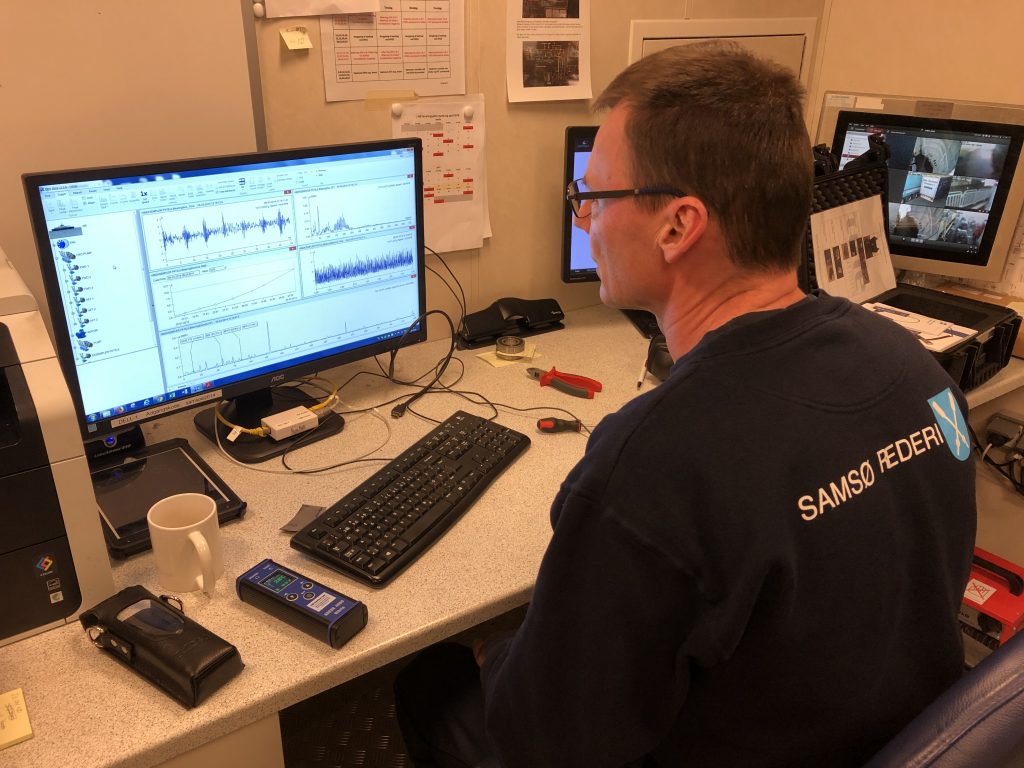
Vibration measurement can be used for more than just fault analysis and diagnosis. We perform acceptance tests to ensure that our systems meet the criteria for the given system.
An acceptance test is a test performed in connection with a new product or system. The test is performed to determine whether the new product or system meets the criteria that have been set. These criteria may relate to user needs, requirements and business processes, for example.
Acceptance tests are also carried out at the same time to ensure that the user, customer or other authority will accept the final product as it is.
A test used to ensure that the final product is ready for use
When a new product or system is released, a series of tests are carried out to ensure that the product or system works as it should. In this long series of tests, an acceptance test is the last test to be performed.
The acceptance test determines whether the product or system is ready for the end user and is therefore the final step before it is put on the market.
Vibration measurement can be used in conjunction with the organisation's Acceptance Test programme and procedure to ensure that new machines function optimally in accordance with, for example, ISO standards.
New machinery
Acceptance testing and ISO standards are increasingly used in quality systems to ensure that newly purchased equipment meets all requirements and standards.
We are therefore seeing more frequent than before that customers contact us regarding a standard that a supplier is required to implement on their machines, which is concluded with a detailed report in accordance with the standard.
Used, newly serviced machines
There are also acceptance standards for machines that have just been serviced.
This could, for example, be balancing standards that specify a number of points. This way, you can ensure that the condition of your equipment has not deteriorated after it has been dismantled.